
FRIDAY, JUNE 23
NOON-1:30PM PT/3:00PM-4:30PM ET
Culture and Ethics: Can Bees be Happy?
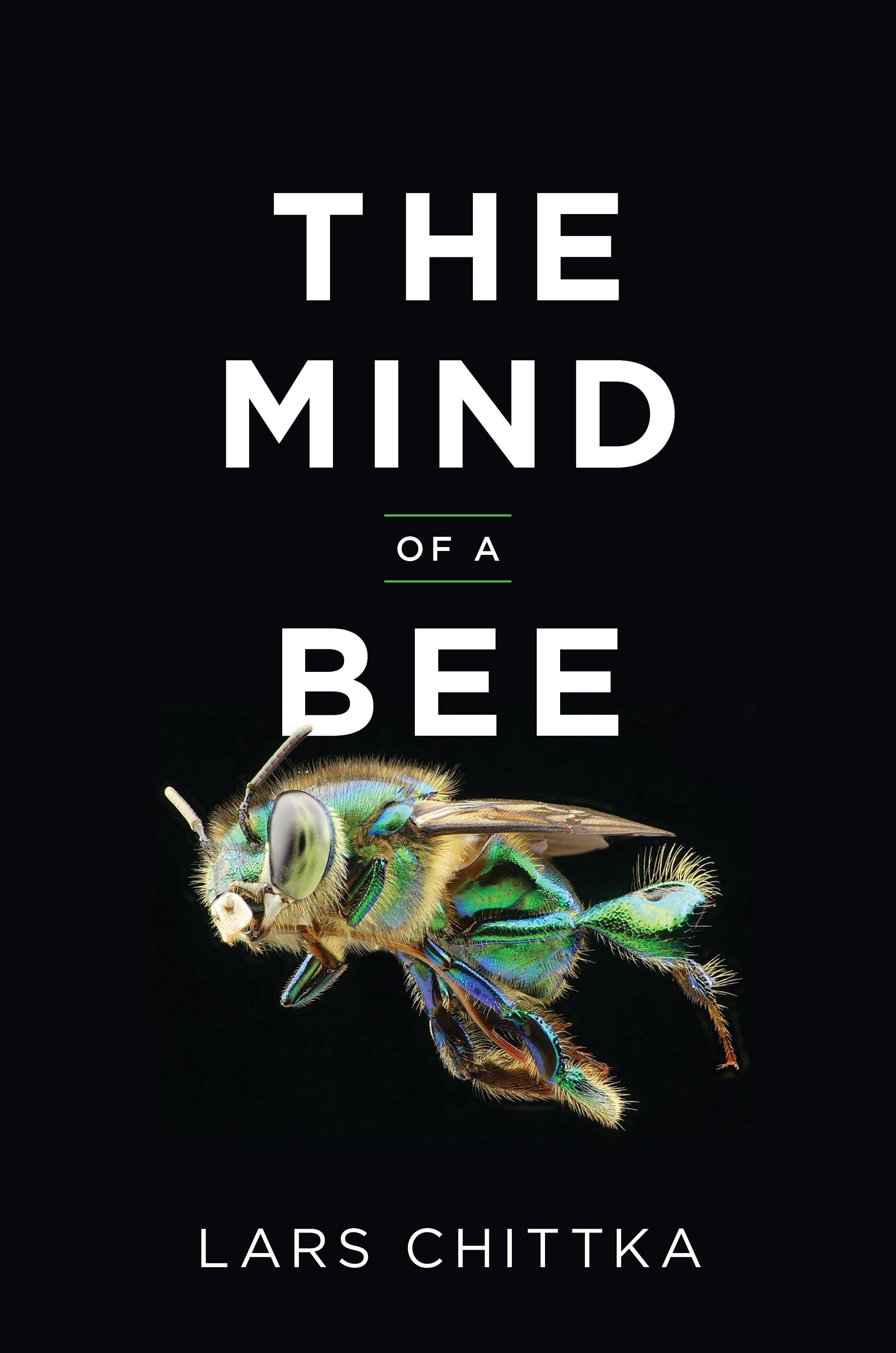
Speaker: Dr. Lars Chittka, author of "The Mind of a Bee" (2022)
Youtube Live Stream & Chat
Seeing the Sounds of Seeds
Cadine Navarro
Most of us are aware of the hive mind—the power of bees as an amazing collective. But do we know how uniquely intelligent bees are as individuals? Lars Chittka draws from decades of research, including his own pioneering work, to argue that bees have remarkable cognitive abilities. He shows that they are profoundly smart, have distinct personalities, can recognize flowers and human faces, exhibit basic emotions, count, use simple tools, solve problems, and learn by observing others. They may even possess consciousness. Chittka illustrates how bee brains are unparalleled in the animal kingdom in terms of how much sophisticated material is packed into their tiny nervous systems. He looks at their innate behaviors and the ways their evolution as foragers may have contributed to their keen spatial memory. Chittka also examines the psychological differences between bees and the ethical dilemmas that arise in conservation and laboratory settings because bees might feel and think.
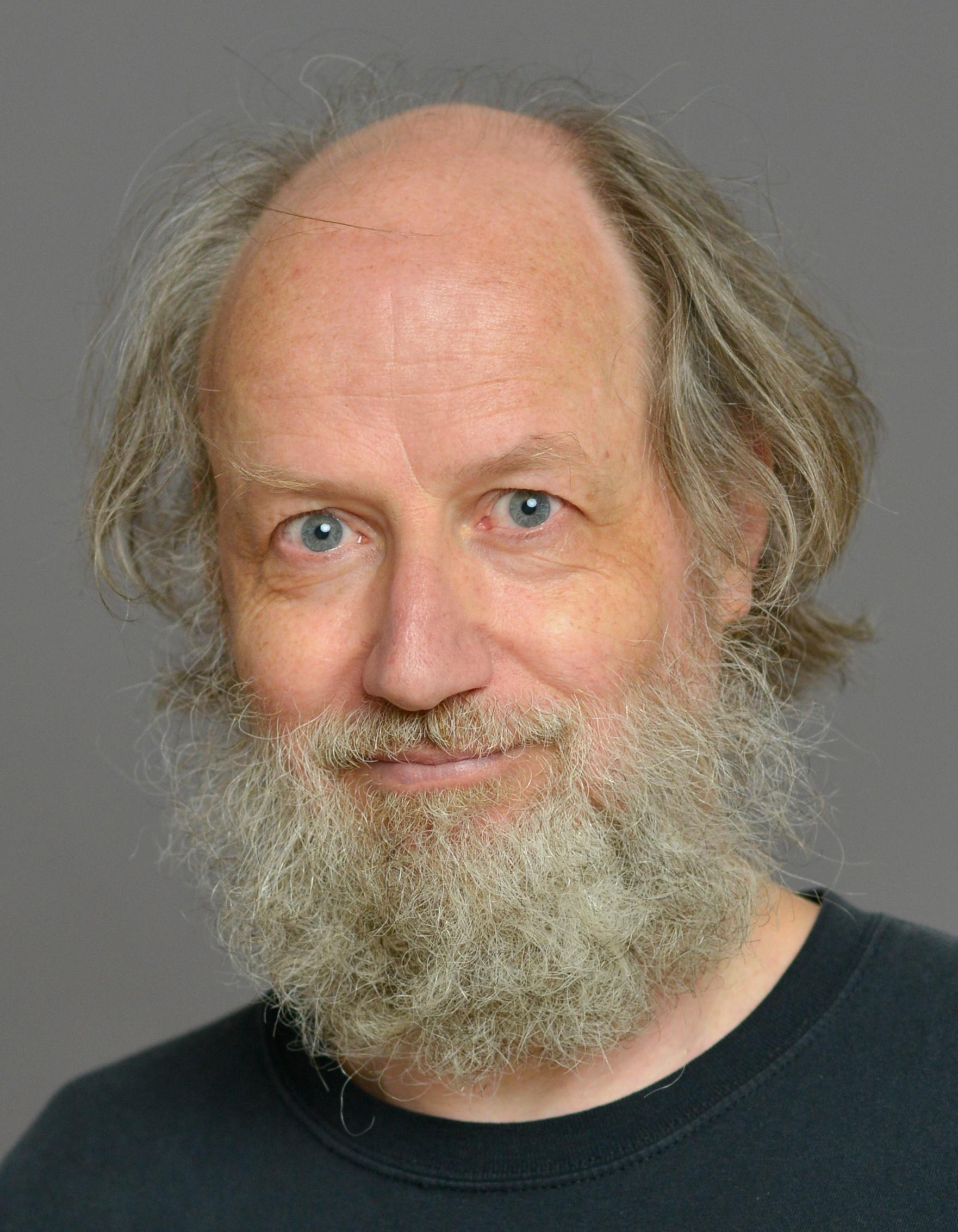
Lars Chittka, FLS, FRES, FSB, is a distinguished zoologist, ethologist and ecologist known for his work on the evolution of sensory systems and cognition, using insect-flower interactions as a model.
Lars Chittka is the author of the book The Mind of a Bee and Professor of Sensory and Behavioural Ecology at Queen Mary College of the University of London. He is also the founder of the Research Centre for Psychology at Queen Mary. He is known for his work on the evolution of sensory systems and cognition using insect-flower interactions as a model system. Chittka has made fundamental contributions to our understanding of animal cognition and its impact on evolutionary fitness studying bumblebees and honeybees.

Over the last decade, Cadine Navarro’s multidisciplinary practice has been a cross-pollination of the fields of art, science, design and spirituality with the purpose to create spaces of encounter and direct experience. The materiality of her work often finds source in a Japanese esthetic and worldview - the country where Navarro was born and raised with her French father and American mother. The arc of her research-based practice explores models to catalyze a shift in consciousness, include community outreach and educational programs that aim to serve as an act of reciprocity and response to the damage we have to the earth.
“In 2014 I invented a way to visualize sound. At first I worked with human voice, then with more-than-human-sounds such as from birds or even rain. Most recently, I was able to pick up on the sounds from nine native dry and dormant prairie seeds. The art has opened up new research in science, as well as given visitors and listeners a chance to enter into dialogue with one of the most subtle yet critical forms of life on the planet- the seed.”

The Sound of Milkweed