
THURSDAY
June 23, 2022 | NOON-1:00PM PT/3:00PM-4:00PM ET
Lovely Lepidoptera
Speakers: Xerces Society, Kevin Burls; Pollinator Partnership, Junaid Khan; Monarch Watch, Dr. Chip Taylor
How many lovely Lepidoptera do you see during the summer? There are thousands and thousands of species of moths and butterflies around the world, many of which have not yet been identified or described by scientists. The Monarch butterfly is one of the most well-known species in the world because of its annual migration between Canada and Mexico, but there are many other species worldwide who are in danger of extinction. We will hear an update on the current monarch populations and likelihood of monarchs being listed under the Endangered Species Act.
We invite you to share pictures of butterflies and moths using #PowerInPollinators

Kevin Burls, Conservation Biologist with Xerces Society
As Conservation Biologist for the Endangered Species program, Kevin’s efforts with the Xerces Society focus on protecting the hundreds of butterfly species that inhabit deserts, forests, and grasslands across the western United States. Many of these species are currently in decline or are threatened by habitat loss, insecticides, and the effects of climate change. Kevin’s work includes collaborating with land managers and scientists to understand the conservation needs of butterfly species, then advocating for their protection by crafting conservation guidelines with agencies and policy makers at the regional, state, and federal levels. He holds a Ph.D. in Ecology, Evolution, and Conservation Biology from the University of Nevada, Reno. In his free time, you can find him hiking with his wife, son, and two dogs, or fixing the drip irrigation at his home in Washoe Valley, Nevada.
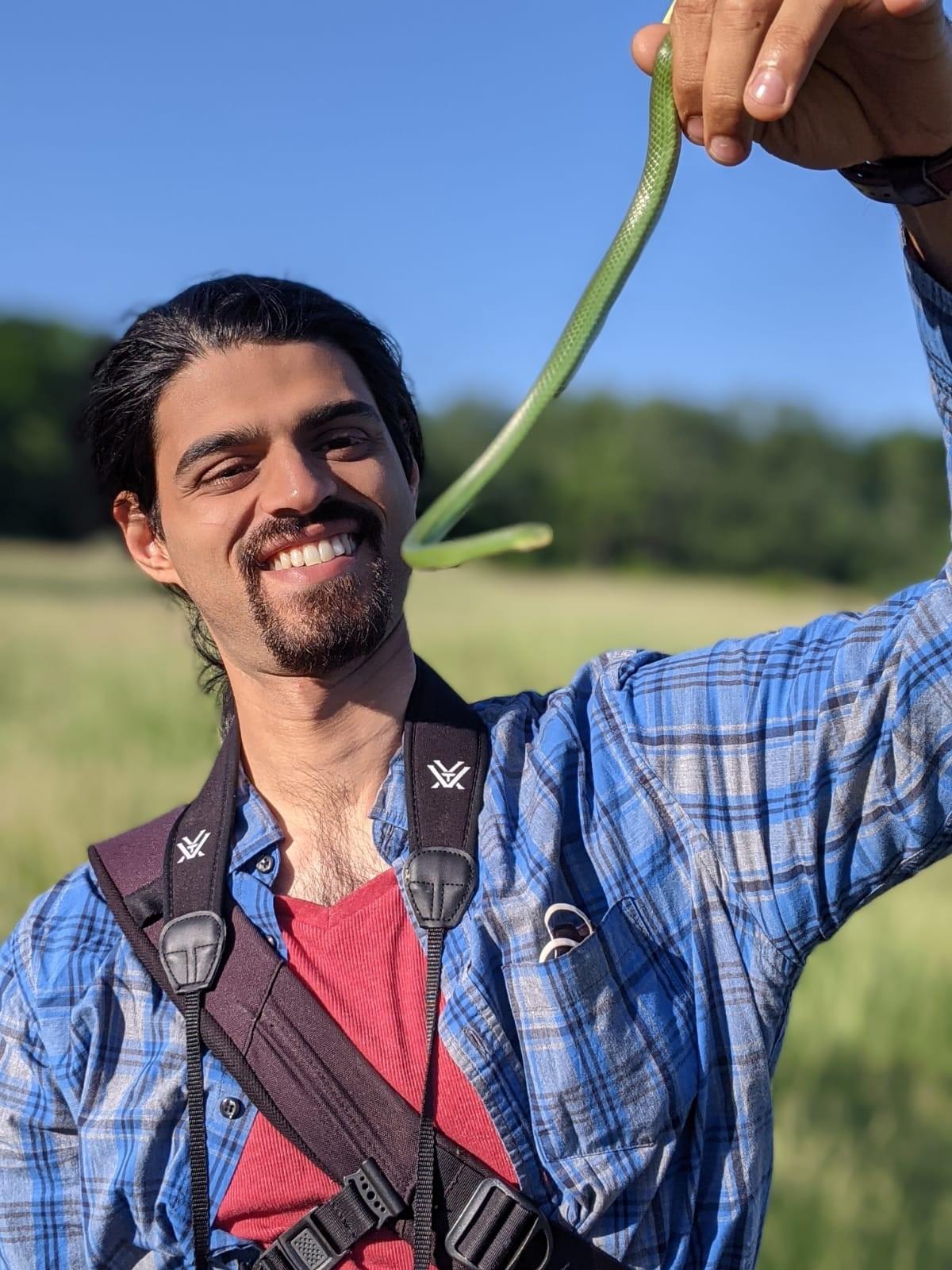
Junaid Khan, Research Ecologist and Pollinator Stewardship Coordinator with Pollinator Partnership
Prior to joining Pollinator Partnership in 2021, Junaid was working towards his Ph.D. in Biology at York University, focusing on decolonizing approaches in conservation practice. Junaid's work in the ecological field has ranged from wetland restoration and habitat research to invasive ant species to prioritizations in global plastic pollution management to novel population discoveries of an extirpated toad species in Costa Rica to seabird parasites and pathogens, and beyond. A person of color and a visible minority, Junaid has worked tirelessly to balance culture, science, and working in good-relationship with all -- especially those from marginalized groups. Junaid's work looks to restart ecological work from the ground up, building partnerships and collaborations with communities of color and Indigenous peoples in Ontario around struggles of land sovereignty, food security, and living in good relations.
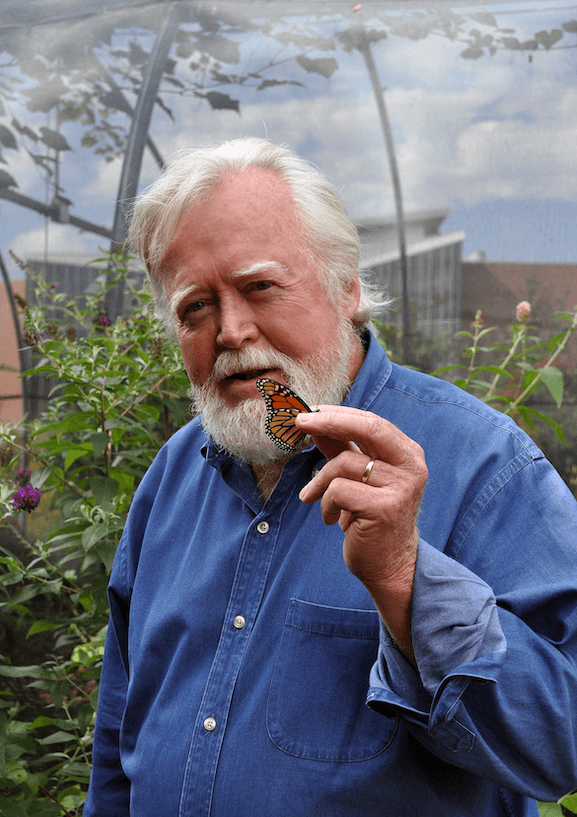
Chip Taylor, Ph.D., Emeritus Professor in the Department of Ecology and Evolutionary Biology at the University of Kansas is an internationally acclaimed monarch butterfly scientist, and will give us an update on monarch butterfly population trends, what influences the trends, and what you can do!
Trained as an insect ecologist, his research projects have included studies of reproductive isolating mechanisms in sulfur butterflies, reproductive and life-history patterns in plants, comparative biology of European and Neotropical African honeybees (killer bees), and migratory behavior of monarch butterflies.
In 1992, Taylor founded Monarch Watch, an outreach program focused on education, research, and conservation of monarch butterflies. The tagging program administered by Monarch Watch has yielded many new insights about monarch migration.

Join us tomorrow, Friday, June 24, 2022, for Pollinator Myth Busters!